27
/ 09


Ancré dans le terroir de la coutellerie française, dans la région thiernoise, SABATIER DIAMANT est l’héritier d’un savoir-faire d’expert en coutellerie haut de gamme. De ce passé prestigieux, la marque SABATIER DIAMANT a pris l'engagement de maintenir et de développer les critères de rigueur et de qualité, véhiculés par l'image de son logo : LE DIAMANT.
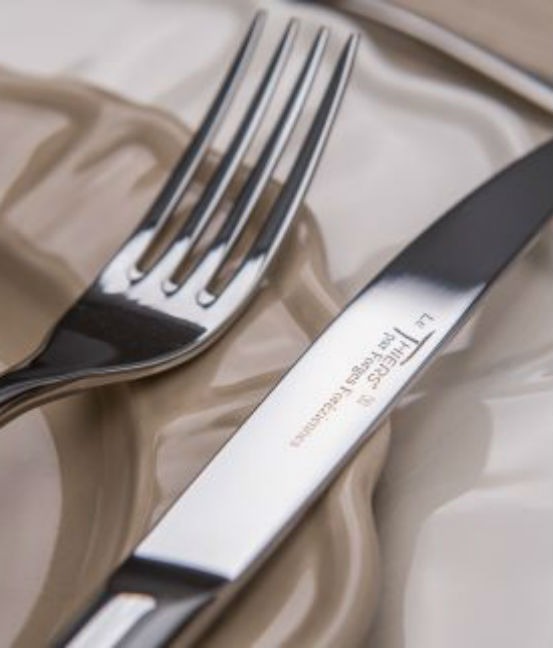
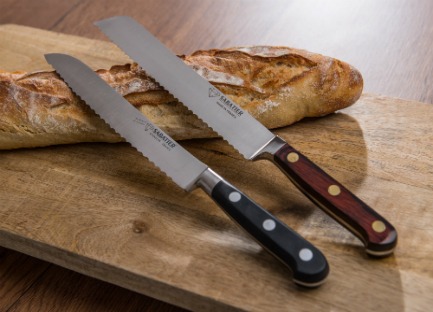
Le couteau SABATIER est né dans le bassin thiernois au début du XIXème siècle. Véritable couteau professionnel à l’usage des plus exigeants : les Chefs, les professionnels des métiers de bouche et les cuisiniers amateurs avertis. SABATIER DIAMANT, une marque représentant toute de l'exigence de la coutellerie haut de gamme.
Nous contacterLe processus de fabrication des couteaux forgés exige une maîtrise des métiers ancestraux de forge et de trempe. Dans l’antre magique du feu, le “ forgeron “ travaille le métal et esquisse la lame. Ensuite, le " trempeur " se doit d’offrir à la lame dureté, élasticité et résistance. Enfin, les opérations manuelles de finitions vont sublimer la qualité des matériaux employés pour réaliser le couteau SABATIER DIAMANT.
Visiter le site de nos Forges Foréziennes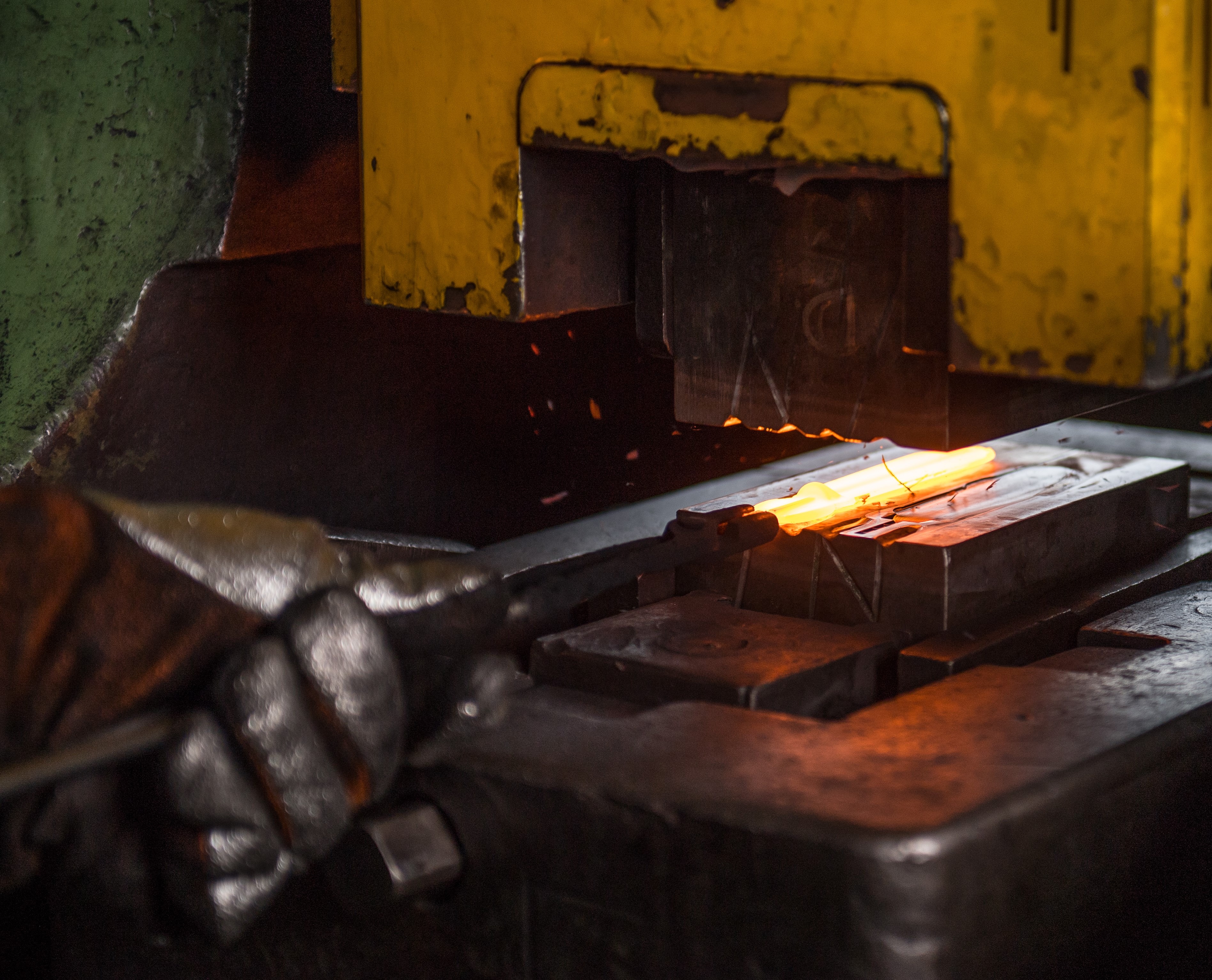
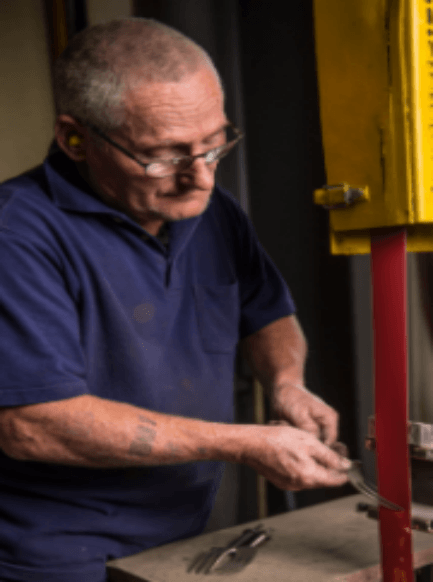

Les femmes et les hommes de SABATIER DIAMANT, baignés dans la tradition du travail bien fait, ont naturellement la volonté de préserver et de transmettre la noblesse de leur spécialité.
Nous contacter